Rehabilitation in Dubai
- Step 1 : Recovery
- Step 2 : Repair
- Step 3 : Strength & Function
The first stage of physical rehabilitation is the recovery stage. This is the most important stage of the treatment process, and depending on the severity of your injuries, it may also be the longest. The goal of this first stage is simple: to rest and allow your body to begin the healing process.
The main goal of the repair stage is to gently ease your body back to pre-injury range-of-motion (ROM) levels, or as close to pre-injury levels as possible. Soft-tissue and gentle range-of-motion exercises are essential to begin this stage so that you do not overextend or aggravate the injury.
The next stage of physical rehabilitation is to begin restoring strength and function. To effectively restore a patient to pre-injury levels of function, it is critical to address higher-level capabilities in order to reduce the risk of re-injury.
Recovering from an injury often involves more than simply waiting for discomfort to subside. The body needs time, movement, and the right approach to regain strength and function safely. If you are searching for rehabilitation in Dubai, Pilates has become a valuable tool for individuals looking to restore movement quality, improve physical resilience, and reduce the likelihood of future setbacks. At The PAD Pilates & Dance, we use a structured approach that focuses on movement education and corrective exercise to support long-term recovery, helping you rebuild confidence in movement while working toward better physical function.
Understanding the Rehabilitation Process
Step 1: Recovery: The initial phase focuses on allowing the body to begin healing. Depending on the nature of the injury, this stage may involve rest, reduced activity, and careful management of physical stress.
Step 2: Repair: As healing progresses, the emphasis shifts toward restoring mobility and range of motion. Gentle exercises and controlled movement help reintroduce activity without placing excessive strain on the affected area.
Step 3: Strength and Function: The final stage centres on rebuilding physical capacity. Strength, coordination, and movement efficiency are gradually improved to help individuals return to everyday activities with greater ease. This is where rehabilitation in Dubai clients often notice the biggest shift, as addressing these higher-level physical capabilities also reduces the likelihood of future injury and supports sustainable recovery outcomes.
Why Pilates Supports Rehabilitation
Pilates is widely recognised for its ability to develop strength, control, and movement awareness through low-impact exercise. Unlike high-intensity training methods, Pilates emphasises precision and quality of movement, making it suitable for many individuals during recovery.
For anyone seeking rehabilitation in Dubai, Pilates offers a structured environment where movement patterns can be improved gradually and safely. Exercises can be adjusted to suit different abilities while encouraging greater control, coordination, and physical confidence. This combination of strength and movement training makes Pilates a valuable addition to many rehabilitation-focused programmes.
Addressing Posture, Movement, and Injury Risk
Poor movement habits and postural imbalances can place unnecessary stress on muscles and joints over time. In many cases, these issues contribute to recurring discomfort or increase the likelihood of injury.
Pilates places significant emphasis on alignment, control, and efficient movement patterns. Through carefully selected exercises, individuals can improve the way their bodies move and respond to physical demands. Many people exploring rehabilitation in Dubai are not only looking to recover from an existing issue but also to understand the factors that contributed to it. By addressing movement quality and muscular imbalances, Pilates can help create a stronger foundation for everyday activity while supporting better long-term physical health.
A Personalised Approach to Recovery
Every injury and recovery journey is different. At The PAD Pilates & Dance, sessions can be adapted to suit individual needs, movement limitations, and personal goals. For clients considering rehabilitation in Dubai, we offer a whole-body approach rather than focusing on a single area. This allows for more balanced physical development while supporting safe and steady progress.
Building Long-Term Strength and Confidence
Recovery is not only about returning to previous activity levels. It is also about developing better movement habits that support long-term physical wellbeing. Pilates encourages sustainable strength, improved control, and greater confidence in everyday movement.
Begin Your Rehabilitation Journey at The PAD Pilates & Dance
If you are ready to start rehabilitation in Dubai, The PAD Pilates & Dance offers a movement-focused approach designed to support recovery, restore function, and help you move forward with greater confidence.
EXPLORE MORE SERVICES
PILATES CLASSES
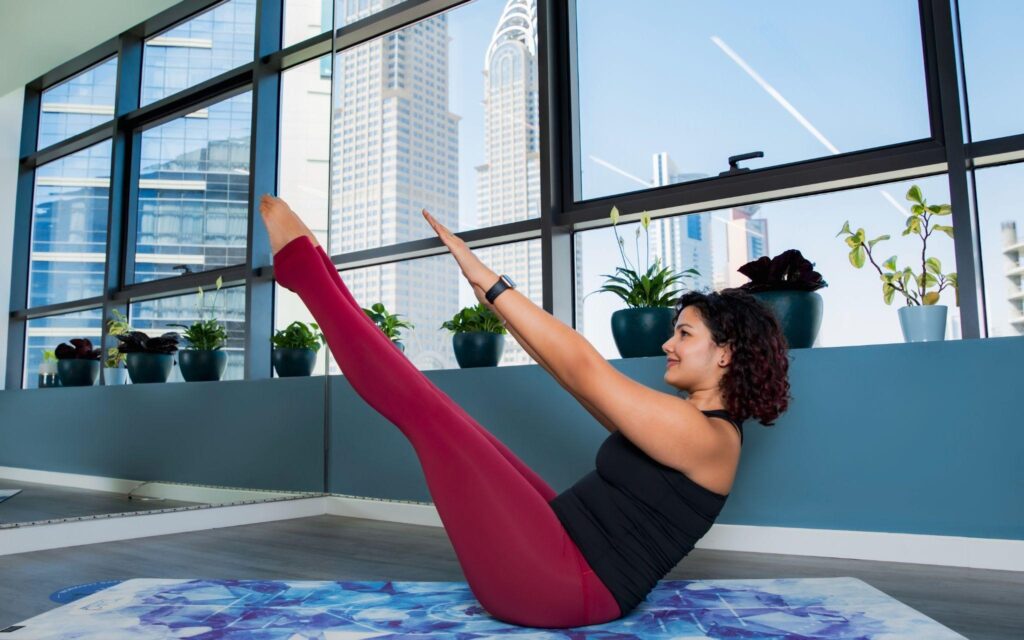
Pilates can be done on many different kinds of equipment. While the reformer pilates in dubai is the most famous, at The PAD we offer 7 other kinds of equipments too!
REFORMER PILATES
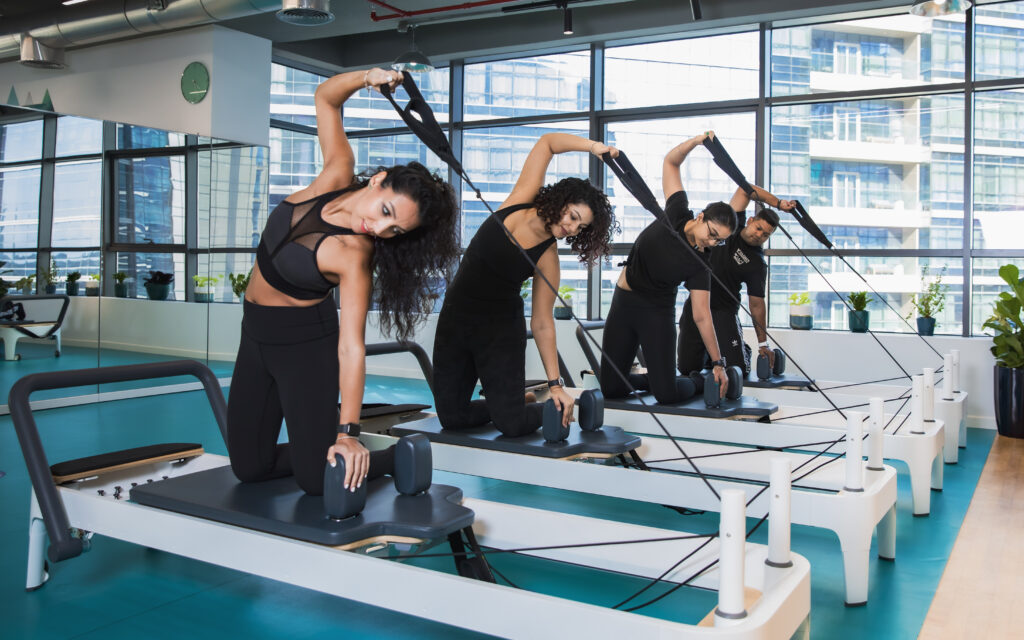
The reformer is an equipment used in Pilates to provide stability and improve strength and support the body. It is the most widely used piece of Pilates equipment, and at The PAD, we offer Reformer Pilates for
DANCE CLASSES
The reformer is an equipment used in Pilates to provide stability and improve strength and support the body. It is the most widely used piece of Pilates equipment, and at The PAD, we offer Reformer Pilates for clients of different levels.
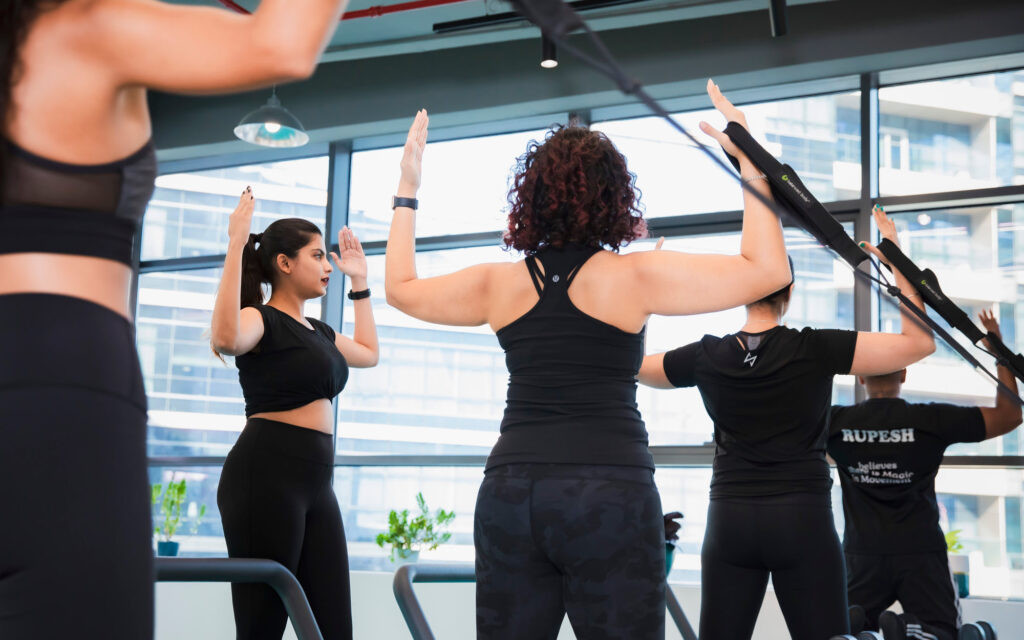
REHABILITATION SERVICES IN DUBAI
Pilates is today one of the most popular forms of exercise across the world. People from all walks of life have embraced it with open arms. The routine brings a lot to the table in terms of strength,
Ready to get Started?
Book your classes online or Feel free to drop us a note if you wish to learn more about any of our services
FREQUENTLY ASKED QUESTIONS
Pilates uses controlled, low-impact movements that help restore mobility, improve movement quality, and gradually rebuild strength. This structured approach supports recovery while encouraging safer and more efficient movement patterns.
Yes. Pilates focuses on improving alignment, posture, and movement mechanics. Addressing muscular imbalances and inefficient movement habits, it can help reduce unnecessary strain and lower the risk of future injuries.
Absolutely. Sessions can be adapted to suit your current abilities, recovery stage, and individual goals. This allows you to exercise comfortably while progressing at a pace that feels appropriate for you.
No. A whole-body approach helps improve overall movement, strength, and coordination. Looking beyond the injured area can support better balance, reduce compensation patterns, and promote more effective recovery.
These programmes are suitable for individuals recovering from injury, managing movement limitations, improving posture, or looking to rebuild strength and function through guided, movement-focused training.